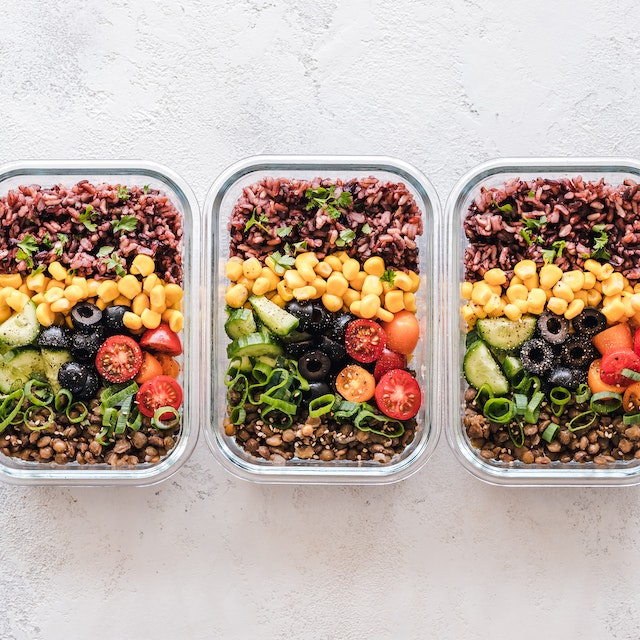
Nutrition and Portion Size: Why It Matters and How to Manage It

Nutrition and Portion Size: Why It Matters and How to Manage It

Taking care of your nutrition and portion size is essential for achieving optimal health and wellness. While we all know that eating a balanced and healthy diet is crucial, we may not realize that portion size also plays a significant role in our overall health. In today’s blog post, we will explore why portion size matters and how you can manage it to achieve your health goals.

Why Portion Size Matters

Portion size refers to the amount of food you consume in one sitting or meal. Eating too much food can lead to weight gain, which can increase your risk of chronic diseases such as heart disease, diabetes, and cancer. On the other hand, not eating enough can lead to malnutrition and other health problems.

Managing Portion Size

Managing portion size doesn’t have to be difficult. Here are some tips to help you manage your portion sizes and improve your overall nutrition:

  1. Use Smaller Plates: Using smaller plates can make your food portions appear larger, which can help you feel more satisfied with your meal.
  2. Read Labels: Read nutrition labels to understand serving sizes and calories per serving. This can help you make more informed decisions about the foods you eat.
  3. Measure Your Food: Use measuring cups, spoons, or a food scale to measure your food portions accurately. This can help you avoid overeating and ensure that you’re consuming the appropriate amount of nutrients.
  4. Use Visual Cues: Use visual cues to estimate your portion sizes. For example, a serving of protein should be about the size of your palm, while a serving of carbohydrates should be about the size of your fist.
  5. Eat Mindfully: Eat slowly and mindfully, focusing on your hunger and fullness cues. This can help you avoid overeating and improve your digestion.
  6. Plan Your Meals: Plan your meals in advance and prepare healthy snacks and meals ahead of time. This can help you avoid making unhealthy choices when you’re short on time.
  7. Share Your Meals: When dining out, share your meals with a friend or family member. This can help you control your portion sizes and save money.

In conclusion, managing your portion sizes is an essential part of maintaining a healthy diet and achieving your nutrition goals.

With these tips, you can improve your nutrition and maintain a healthy weight, leading to a happier and healthier life. Remember, portion control doesn’t mean deprivation. It’s all about finding the right balance and enjoying your food in moderation.

Happy eating!

xo,

Ally

Popular Diets Debunked

Popular Diets Debunked

In today’s society, there are countless diets that claim to be the answer to our weight loss woes. However, with so many options available, it can be difficult to determine which diets are worth trying and which are just fads. In this blog, we will discuss some of the most popular diets and analyze why they do or do not work.

The Ketogenic Diet

    The ketogenic diet is a low-carb, high-fat diet that has gained a lot of popularity in recent years. The goal of this diet is to put your body in a state of ketosis, where it burns fat for fuel instead of glucose. Many people have had success with this diet, particularly in terms of weight loss. However, there are some potential drawbacks to consider. For example, the high-fat nature of the diet can be difficult to maintain, and it may lead to an increased risk of heart disease in some individuals.

    The Paleo Diet

    The paleo diet is based on the idea that we should eat like our ancestors did during the Paleolithic era. This means avoiding processed foods and focusing on whole, natural foods like fruits, vegetables, and lean meats. While this diet has been shown to have some health benefits, such as improved blood sugar control and reduced inflammation, it may not be sustainable for everyone. Some people may find it difficult to give up certain foods, such as grains and dairy, and may miss out on key nutrients as a result.

    The Mediterranean Diet

    The Mediterranean diet is based on the traditional eating habits of people living in countries bordering the Mediterranean Sea. It emphasizes plant-based foods, such as fruits, veggies, whole grains, and nuts, as well as healthy fats, like olive oil and fish. This diet has been shown to have numerous health benefits, such as reduced risk of heart disease and improved cognitive function. One reason for its success may be its emphasis on whole, nutrient-dense foods, rather than strict restrictions.

    The Atkins Diet

    The Atkins diet is a low-carb, high-protein diet that has been around since the 1970s. It involves cutting out carbohydrates and replacing them with protein and fat. While this diet has been shown to be effective for weight loss, it may not be sustainable in the long term. Additionally, the high levels of saturated fat in the diet can increase the risk of heart disease and other health problems.

    The Vegan Diet

    The vegan diet involves cutting out all animal products, including meat, dairy, and eggs, and relying on plant-based foods for sustenance. While this diet can be very healthy if done correctly, it may be difficult for some people to get enough protein and other essential nutrients without animal products. Additionally, it may not be sustainable for everyone, as some people may miss certain foods and find it challenging to maintain the diet in social situations.

    Overall, the success of a diet will depend on many factors, including individual preferences, lifestyle, and health goals. While some diets may work well for certain people, they may not be sustainable or effective for everyone. Before starting any diet, it is important to speak with a healthcare professional to ensure that it is safe and appropriate for your individual needs. Additionally, it is essential to focus on a balanced, nutrient-dense diet that includes a variety of whole foods to ensure optimal health and well-being. In the end, being healthy AND happy is #1 so do what’s best for you!

    XO, Ally