New StepBet & DietBet Challenge

New StepBet & DietBet Challenge

Summer is winding down and if you’re looking for some extra motivation to kickstart your health journey, I have TWO challenges to help keep you accountable!

StepBet Challenge

August 25-Sept. 28

Imagine getting healthier, feeling great, and potentially winning cash, all just by walking. Join my 5-week StepBet challenge where you’ll turn your daily steps into real rewards!

How it works:

StepBet sets personalized step goals for you based on your own activity, so it’s always achievable and challenging. You’ll have one rest day, four moderate step days, and two “power” days.  Hit your targets and split the pot with other winners at the end of 5 weeks. As a BONUS, I’ll be sharing links to my favorite walking workouts as a fun way to help you hit those step goals. This is the perfect way to boost your activity, stay accountable, and have fun getting fit!

Cost to play:

$40 – Hit your step goals and split the pot with the other winners!

How to join:

Download the StepBet app on Apple or Android.  Set up your free profile and then search for my challenge using the code “ALLYFIT

Register HERE

DietBet: Lose to Win Challenge

Sept. 1-28

For 4 weeks, this challenge is all about committing to the most important person – YOU! The goal is simple: lose 4% of your body weight. It’s an achievable target, and with the right support and determination, I know you can do it!

How DietBet works:

Throughout the challenge, you’ll be supported not only by me but also by hundreds of other participants who are on the same journey. It’s all about accountability and community support!

When you achieve your 4% weight loss goal, you’ll not only feel amazing but also share in the rewards with other successful participants. We’ll celebrate your accomplishment together!

The challenge provides the perfect amount of motivation to keep you focused and committed to your goals with a supportive community every step of the way.

Weigh-in Dates:

August 30-31

Cost:

$35 – This commitment ensures you’re serious about your health goals. The best part? If you win, you’ll split the pot with other winners and get paid to lose weight!

How to join:

Download the DietBet app on Apple or Android.  Set up your free profile and search for my “Lose to Win” challenge or follow this link to register: www.dietbet.com/allyfitatl

Ready to take on one or both challenges? Don’t miss out on this fantastic opportunity to get paid while achieving your health goals and register TODAY!

If you have any questions or need further information, feel free to reach out to me. Let’s make this summer one of health, positivity, and success!

Looking forward to seeing you in the challenges!

xo,

Ally

High Protein Cloud Bread Recipe

High Protein Cloud Bread Recipe

Have you ever tried making cloud bread before?  I just made this for the first time ever and am HOOKED🤩 Unlike regular breads, there is no flour of any type, just egg whites.  Check out the recipe below and let me know in the comments if you’re going to try and make this too.

Ingredients

  • 4 egg whites
  • 1 Tablespoon cocoa powder
  • 3 Tablespoons sugar
  • 2 Tablespoons corn starch
  • Pinch salt

Instructions

  • Preheat oven to 350°F and line a baking sheet with non-stick silicone mat.
  • Whisk together dry ingredients in a small bowl.
  • Separate egg whites and add add to bowl of stand mixer or a large mixing bowl (if using a hand mixer).
  • Add dry ingredients to the egg whites and beat until stiff peaks form (10-12 minutes on medium high).
  • Scoop batter onto your prepared baking sheet and shape into a dome with spatula.
  • Bake for 25 minutes at 350°F.
  • Remove from oven and allow to rest until dry. This could take up to an hour.

Nutrition:

Nutrition Info:

2 Servings

90 Calories

0 g Fat

10g Carbs

11g Protein

Bon Appetit!

xo,

Ally

March is National Nutrition Month

March is National Nutrition Month

This is the perfect time to take stock of your eating habits and make positive changes for a healthier lifestyle. This annual campaign, created by the Academy of Nutrition and Dietetics, encourages everyone to make informed food choices and develop sound eating and physical activity habits.

While radical diet changes may seem appealing for quick results, they’re often unsustainable. Instead, this National Nutrition Month, let’s focus on small, achievable steps that make a big difference over time.

Here’s how you can start eating healthier today:

  • The Power of Planning: Planning your meals and snacks in advance helps you make mindful choices and avoid unhealthy temptations when you’re hungry. Take some time each weekend to map out your meals and prep healthy options for the week.
  • Plate Power: Aim to fill half your plate with vibrant fruits and vegetables at every meal. These nutrient-dense foods add color, flavor, and essential vitamins and minerals to your diet.
  • Prioritize Protein: Include a source of protein in every meal and snack. This helps you feel satisfied, supports muscle health, and keeps your energy levels stable. Good protein sources include lean meats, poultry, fish, beans, lentils, eggs, nuts, and seeds.
  • Whole Grains over Refined: Choose whole grains like brown rice, quinoa, whole-wheat bread, and oats over their refined counterparts. Whole grains are a fantastic source of fiber, helping keep your digestion on track and feeling full.
  • Rethink Your Drink: Quench your thirst with water instead of sugary drinks like soda, sweetened teas, and juices. Water plays a crucial role in hydration, digestion, and overall health. If you’re looking for more flavor, infuse your water with fruits, herbs, and vegetables.
  • Read Food Labels: Take a few minutes to review food labels. Choose options lower in saturated and trans fats, sodium, and added sugars. Pay attention to serving sizes as well.
  • Be Mindful of Portions: Use smaller plates and bowls and listen to your body’s hunger and fullness cues. Eat slowly and avoid distractions while eating to fully savor your meals.
  • Cook at Home More Often: Cooking at home gives you control over ingredients and allows you to make healthier choices. Start with simple, nutritious recipes and gradually increase your confidence as you go.
  • Listen to Your Body: No diet plan or guideline works for everyone. Learn to listen to your body’s signals, pay attention to your energy levels, and adjust your habits accordingly.
  • Don’t be afraid to experiment: Try new recipes, explore different cuisines, and find healthy foods you genuinely enjoy.
  • Progress not perfection: Don’t get discouraged if you slip up. Simply get back on track with your next meal or snack.
  • Seek support: Speak with a registered dietitian nutritionist for personalized advice and guidance.

This National Nutrition Month, let’s embrace sustainable changes to create a healthier relationship with food. Small changes add up!

For more nutrition tips and mini daily challenges, download and print my 31-day Nutrition Calendar below

Healthy and happy eating!

xo,

Ally

Fuel Your Fitness with Trainest: Personalized Nutrition at Your Fingertips

Fuel Your Fitness with Trainest: Personalized Nutrition at Your Fingertips

Let’s be honest, the world of nutrition apps is overflowing with promises and features. But as someone who’s tried my fair share, I can tell you, finding the right one can be so challenging AND frustrating until I discovered the Trainest Nutrition Trackerr!

Here’s why Trainest has become my go-to health companion:

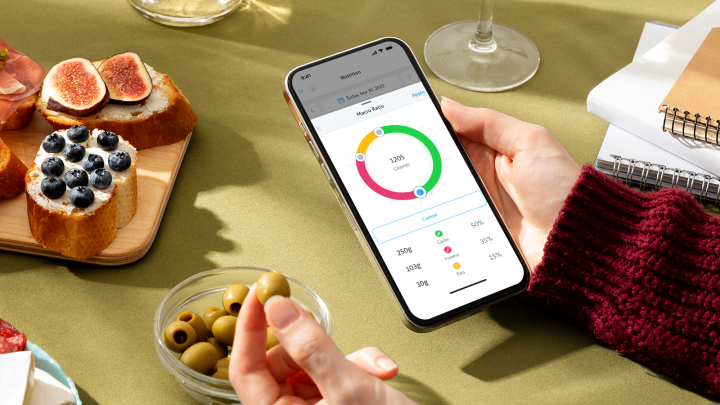
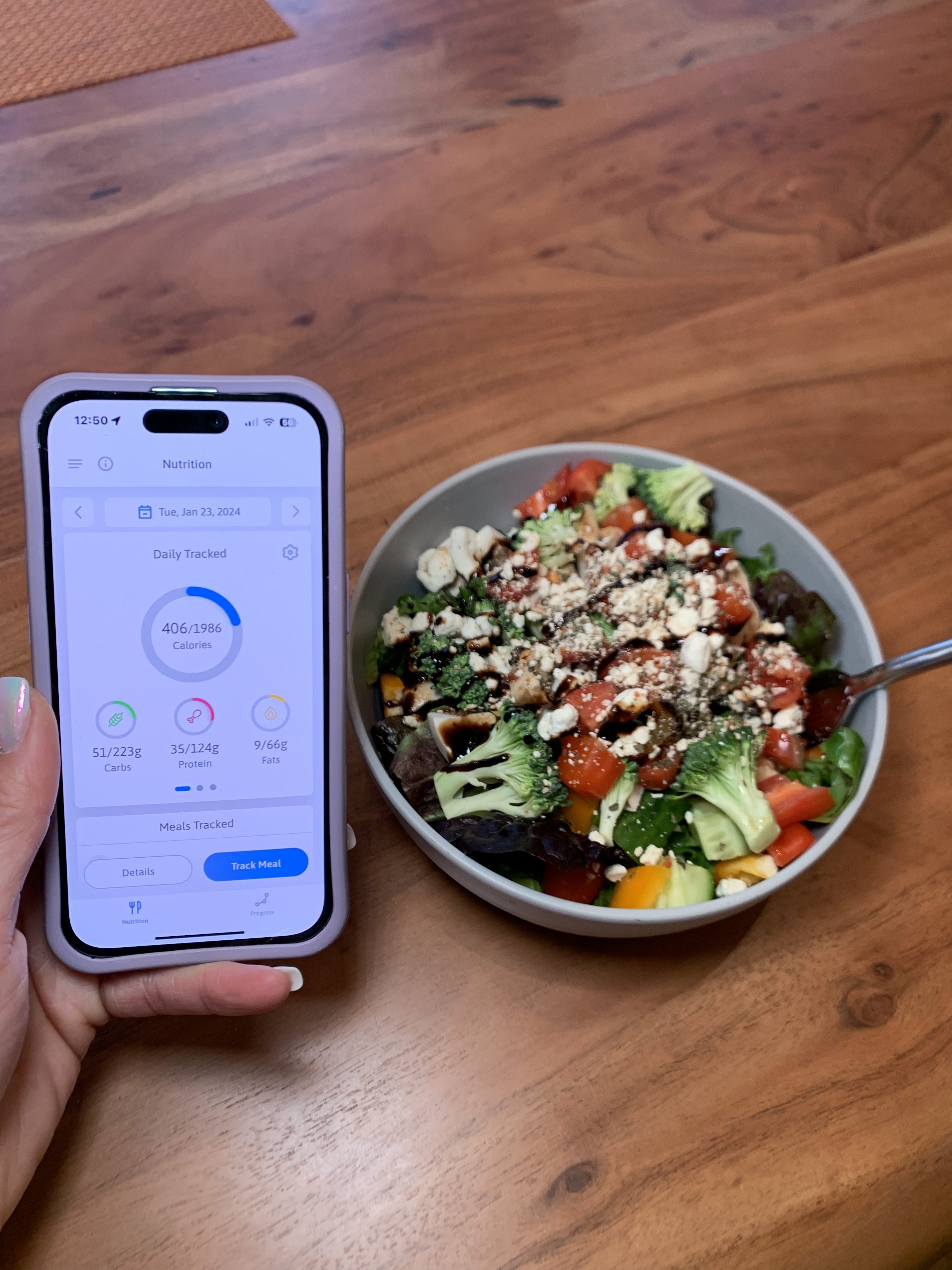
Forget generic calorie counters! Trainest offers a complete nutrition tracker that’s actually detailed. Plus, the food database is MASSIVE, and I love that they’re constantly adding new items based on user requests.  Also, if you’re like me and eat the same foods and meals often, you can save “My Food” and “My Meals” to easily select those items each day without manually entering them in each time!

Trainest is creating an immersive workout experience that puts expert support right at your fingertips. They’re also launching a certified trainer marketplace in mid-2024 with options to take part in workout programs and coaching plans. This means users will be able to connect with REAL, verified trainers who can offer personalized coaching and guidance, all within one app! No more switching between platforms or feeling lost in the fitness wilderness.

As a fitness trainer, I have clients that want to track their fitness and nutrition journeys. Coming soon, users will be able to track weight, body measurements, body composition, and even progress photos, all within the app. Motivation doesn’t get much better than that!

Trainest understands that progress isn’t just about numbers; it’s about the big picture. That’s why the progress section will soon integrate all of the user’s data – nutrition, workouts and check-ins – into one easy to navigate dashboard.

Your #1 Fitness & Nutrition App

The BEST part about Trainest is that it’s constantly evolving and will always be FREE! The team is passionate about listening to users and implementing features that will make the app even better. It’s like having a fitness buddy who’s always there to cheer you on, push you a little further, and help you celebrate every victory.

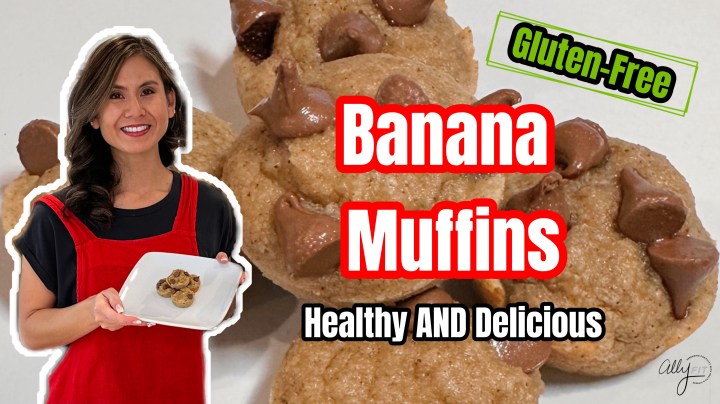
Check out this healthy and gluten-free banana muffin recipe to help kick off your health journey:

Download Trainest TODAY and join me on this incredible journey to a healthier, happier lifestyle!

Questions about Trainest? Check out their website HERE or feel free to or e-mail me at: Allison@allyfitatl.com

xo,

Ally

Bite-Sized Goodness: Gluten-Free Mini Banana Muffins

Bite-Sized Goodness: Gluten-Free Mini Banana Muffins

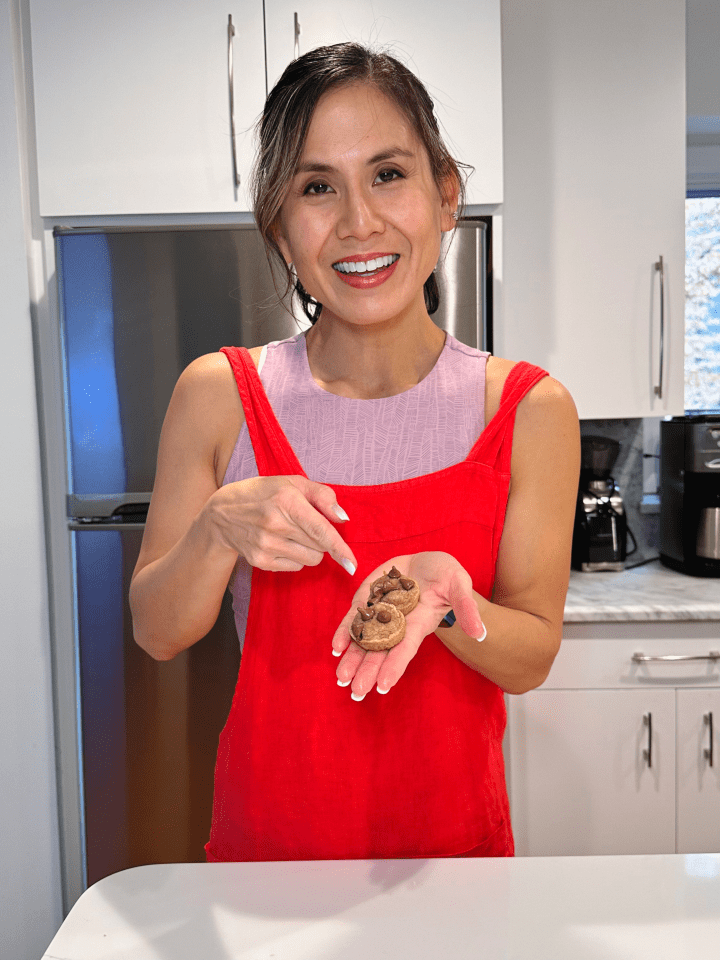
Welcome to my FIRST Cooking with Ally healthy recipe series!

Do you ever get stuck in a meal or snack rut and craving something delicious but still healthy? I have the PERFECT snack for you! These banana mini muffins are the perfect grab-and-go snack, adorable addition to lunchboxes, and satisfying treat for any time of day. But for those following a gluten-free or grain-free diet, finding delicious and healthy mini muffins can be a challenge. Fear not, friends, because almond flour comes to the rescue!

These Gluten-Free Almond Flour Mini Muffins are not only incredibly easy to make, but they’re also bursting with flavor and packed with a surprising amount of nutrients. Almond flour, the star ingredient, is naturally gluten-free and a great source of protein, healthy fats, and fiber. Plus, it adds a delightful moistness and subtle nutty flavor to these muffins.

Ready to Bake Up a Batch?

The recipe for these Gluten-Free Almond Flour Mini Muffins is simple and requires minimal ingredients. You can easily whip up a batch in under an hour, making them perfect for busy mornings or last-minute cravings.

So ditch the store-bought, gluten-filled options and embrace the goodness of homemade. Bake up a batch of these nutritious and delicious mini muffins, and enjoy a guilt-free treat that your taste buds and body will thank you for!

Bonus Tip: These mini muffins freeze beautifully! Bake a double batch and store them in the freezer for a quick and convenient snack anytime. Just pop them in the microwave for a few seconds to warm them up before enjoying.

Watch the full recipe!

Almond Flour Banana Mini Muffins

Ingredients

1 1/2 large ripe bananas

1 large egg

1 Tbsp honey 

1 Tbsp melted coconut oil

¾ tsp pure vanilla extract

1 cup almond flour

¼ cup tapioca flour (or cassava powder or arrowroot powder)

¾ tsp baking powder

¾ tsp ground cinnamon

¼ tsp sea salt

**Optional: Add chocolate chips for topping

Instructions

  • Preheat the oven to 350 degrees Fahrenheit and line a muffin tin with muffin papers. If you don’t use muffin liners, lightly grease the muffins holes with coconut oil or spray with cooking spray.
  • Mash the bananas in a large mixing bowl until they are creamy. Note: if you would like to make the batter in a food processor or a blender, feel free to do so by simply blending all of the ingredients together until combined.
  • Add the eggs, pure maple syrup, oil, and vanilla extract to the mashed bananas and mix the wet ingredients until well-combined.
  • In a separate mixing bowl, combine the almond flour, tapioca flour, baking powder, cinnamon and sea salt and stir until combined.
  • Pour the dry ingredients into the bowl with the wet ingredients and mix well until a thick banana bread batter forms. If you’re adding chocolate chips and/or chopped nuts, do so now!
  • Transfer the banana bread batter to the muffin tray, filling the holes 2/3 of the way up. 
  • Top with the remaining chocolate chips and place in the oven to cook for 10-12 minutes.

Nutrition

1 mini muffin is a serving (roughly 1 ounce):

Calories:  25

Carbohydrates: 2.5g

Fat:  1g

Protein: .4g

Ready to take nutrition tracking to a whole new level? Download the new Trainest App TODAY! Check out my next blog for more details about this nutrition tracker app and all the features!

Happy eating!

xo,

Ally

Air Fryer Chicken Nuggets: Ditch the Grease, Grab the Flavor (and Health!)

Air Fryer Chicken Nuggets: Ditch the Grease, Grab the Flavor (and Health!)

Craving those crispy, golden nuggets but worried about the deep-fryer blues? Fear not, nugget lovers! Your trusty air fryer is here to the rescue, transforming your favorite childhood treat into a healthier, guilt-free masterpiece. These air-fried beauties are bursting with flavor, packed with protein, low in fat and high in protein, making them the PERFECT snack or light meal for the entire family!

As good as fried chicken is, why ditch the deep fryer? Traditional methods pack a punch of unhealthy fats and oils, but this air fryer recipe uses just a touch of avocado oil to achieve that irresistible crunch without the greasy guilt. Plus, it’s faster and easier than ever, leaving you more time to savor the deliciousness.

Ready to whip up these nuggets of goodness? Here’s the recipe:

“No Fry” Healthy Chicken Nuggets

Serves 4

Ingredients:

  • 1 ½ cup panko breadcrumbs
  • 1 teaspoon kosher salt, divided
  • 1 pound boneless, skinless chicken breasts
  • 2-3 tablespoons Cassava Flour or all-purpose flour
  • 1 large egg
  • 2 teaspoons garlic powder
  • 1 tablespoon Ranch seasoning ( I use Trader Joe’s)
  • Freshly ground black pepper
  • Avocado oil spray (or whatever oil spray you prefer)

Instructions:

  1. Cube and season your chicken: Cut the chicken into ¾-inch cubes, season with ¼ teaspoon salt and pepper, then prepare your dredging station with flour, egg, and seasoned panko.
  2. Dredge like a pro: Coat the chicken in flour, dunk it in the egg (letting excess drip off), and finally, give it a good roll in the panko mixture, pressing to make sure it sticks. Repeat with all the chicken.
  3. Air fry to perfection: Preheat your air fryer to 400°F. Spray the basket with olive oil and cook the nuggets in batches for 5 minutes each, shaking halfway through.
  4. Serve and savor: Enjoy your crispy, healthy nuggets with your favorite dipping sauce – hummus, ranch dressing, or avocado crema are all excellent choices!

Nutrition per serving

  • Calories: 240
  • Fat: 7 grams
  • Saturated Fat: 1 gram
  • Cholesterol: 60 mg
  • Sodium: 250 mg
  • Carbohydrates: 21 grams
  • Fiber: 2 grams
  • Sugar: 1 gram
  • Protein: 30 grams

These air fryer chicken nuggets are a healthy way to satisfy your cravings and fuel your body with good-for-you ingredients. Get creative with your seasonings and feel free to experiment with dipping sauces!

Do you have a healthy recipe request? Leave me a comment here or send me a direct message on Instagram @Allyfitatl

Happy and healthy eating!

xo,

Ally

Understanding Macronutrients

Understanding Macronutrients

In the world of nutrition and healthy eating, macronutrients are the fundamental components that make up our diet and play essential roles in providing energy, supporting bodily functions, and maintaining overall health. In this blog post, let’s briefly break down each macronutrient and their significance in achieving a balanced diet.

1. Carbohydrates:

Carbohydrates are often referred to as the body’s primary source of energy. They come in various forms, including sugars, starches, and dietary fiber. Carbs are broken down into glucose, which fuels our cells, brain, and muscles. They are found in foods such as grains, fruits, vegetables, legumes, and dairy products.

Key Points:

  • Choose complex carbohydrates like whole grains, as they provide sustained energy and fiber.
  • Limit added sugars found in processed foods and sugary beverages for better overall health.

2. Proteins:

Proteins are the building blocks of life. They are essential for growth, repair, and the formation of enzymes, hormones, and antibodies. Dietary sources of protein include meat, poultry, fish, eggs, dairy products, legumes, nuts, and seeds.

Key Points:

  • Incorporate a variety of protein sources to ensure a well-rounded intake of essential amino acids.
  • Lean protein options like chicken, turkey, and plant-based sources such as beans and tofu are great choices.

3. Fats:

Dietary fats are vital for numerous bodily functions, including cell structure, energy storage, and the absorption of fat-soluble vitamins (A, D, E, and K). Healthy fats are found in avocados, nuts, seeds, olive oil, fatty fish (like salmon and trout), and certain dairy products.

Key Points:

  • Opt for unsaturated fats (monounsaturated and polyunsaturated) over saturated and trans fats to support heart health.
  • Moderation is key, as fats are calorie-dense; aim for a balanced intake.

Balancing Macronutrients:

A balanced diet involves consuming the right proportions of macronutrients to meet your individual energy needs and health goals. Here are some general guidelines to help you achieve macronutrient balance:

  • Consider Your Goals: Whether you’re aiming for weight loss, muscle gain, or simply maintaining good health, your macronutrient ratios may vary.
  • Portion Control: Pay attention to portion sizes to avoid overconsumption of any one macronutrient.
  • Whole Foods: Focus on whole, unprocessed foods, as they tend to provide a more balanced nutrient profile.
  • Variety is Key: Incorporate a wide range of foods from all three macronutrient groups to ensure you receive a diverse array of nutrients.
  • Consult a Professional: If you have specific dietary requirements or health concerns, consider consulting a registered dietitian or nutritionist for personalized guidance.

Want MORE?

Download my FREE Nutrition Guide on how to live a fit and healthy lifestyle WITHOUT dieting!

Remember, a balanced diet is not about exclusion but about finding harmony in the foods you enjoy and those that nourish your body.

Happy Eating!

xo,

Ally

Nutrition and Portion Size: Why It Matters and How to Manage It

Nutrition and Portion Size: Why It Matters and How to Manage It

Taking care of your nutrition and portion size is essential for achieving optimal health and wellness. While we all know that eating a balanced and healthy diet is crucial, we may not realize that portion size also plays a significant role in our overall health. In today’s blog post, we will explore why portion size matters and how you can manage it to achieve your health goals.

Why Portion Size Matters

Portion size refers to the amount of food you consume in one sitting or meal. Eating too much food can lead to weight gain, which can increase your risk of chronic diseases such as heart disease, diabetes, and cancer. On the other hand, not eating enough can lead to malnutrition and other health problems.

Managing Portion Size

Managing portion size doesn’t have to be difficult. Here are some tips to help you manage your portion sizes and improve your overall nutrition:

  1. Use Smaller Plates: Using smaller plates can make your food portions appear larger, which can help you feel more satisfied with your meal.
  2. Read Labels: Read nutrition labels to understand serving sizes and calories per serving. This can help you make more informed decisions about the foods you eat.
  3. Measure Your Food: Use measuring cups, spoons, or a food scale to measure your food portions accurately. This can help you avoid overeating and ensure that you’re consuming the appropriate amount of nutrients.
  4. Use Visual Cues: Use visual cues to estimate your portion sizes. For example, a serving of protein should be about the size of your palm, while a serving of carbohydrates should be about the size of your fist.
  5. Eat Mindfully: Eat slowly and mindfully, focusing on your hunger and fullness cues. This can help you avoid overeating and improve your digestion.
  6. Plan Your Meals: Plan your meals in advance and prepare healthy snacks and meals ahead of time. This can help you avoid making unhealthy choices when you’re short on time.
  7. Share Your Meals: When dining out, share your meals with a friend or family member. This can help you control your portion sizes and save money.

In conclusion, managing your portion sizes is an essential part of maintaining a healthy diet and achieving your nutrition goals.

With these tips, you can improve your nutrition and maintain a healthy weight, leading to a happier and healthier life. Remember, portion control doesn’t mean deprivation. It’s all about finding the right balance and enjoying your food in moderation.

Happy eating!

xo,

Ally

Popular Diets Debunked

Popular Diets Debunked

In today’s society, there are countless diets that claim to be the answer to our weight loss woes. However, with so many options available, it can be difficult to determine which diets are worth trying and which are just fads. In this blog, we will discuss some of the most popular diets and analyze why they do or do not work.

The Ketogenic Diet

    The ketogenic diet is a low-carb, high-fat diet that has gained a lot of popularity in recent years. The goal of this diet is to put your body in a state of ketosis, where it burns fat for fuel instead of glucose. Many people have had success with this diet, particularly in terms of weight loss. However, there are some potential drawbacks to consider. For example, the high-fat nature of the diet can be difficult to maintain, and it may lead to an increased risk of heart disease in some individuals.

    The Paleo Diet

    The paleo diet is based on the idea that we should eat like our ancestors did during the Paleolithic era. This means avoiding processed foods and focusing on whole, natural foods like fruits, vegetables, and lean meats. While this diet has been shown to have some health benefits, such as improved blood sugar control and reduced inflammation, it may not be sustainable for everyone. Some people may find it difficult to give up certain foods, such as grains and dairy, and may miss out on key nutrients as a result.

    The Mediterranean Diet

    The Mediterranean diet is based on the traditional eating habits of people living in countries bordering the Mediterranean Sea. It emphasizes plant-based foods, such as fruits, veggies, whole grains, and nuts, as well as healthy fats, like olive oil and fish. This diet has been shown to have numerous health benefits, such as reduced risk of heart disease and improved cognitive function. One reason for its success may be its emphasis on whole, nutrient-dense foods, rather than strict restrictions.

    The Atkins Diet

    The Atkins diet is a low-carb, high-protein diet that has been around since the 1970s. It involves cutting out carbohydrates and replacing them with protein and fat. While this diet has been shown to be effective for weight loss, it may not be sustainable in the long term. Additionally, the high levels of saturated fat in the diet can increase the risk of heart disease and other health problems.

    The Vegan Diet

    The vegan diet involves cutting out all animal products, including meat, dairy, and eggs, and relying on plant-based foods for sustenance. While this diet can be very healthy if done correctly, it may be difficult for some people to get enough protein and other essential nutrients without animal products. Additionally, it may not be sustainable for everyone, as some people may miss certain foods and find it challenging to maintain the diet in social situations.

    Overall, the success of a diet will depend on many factors, including individual preferences, lifestyle, and health goals. While some diets may work well for certain people, they may not be sustainable or effective for everyone. Before starting any diet, it is important to speak with a healthcare professional to ensure that it is safe and appropriate for your individual needs. Additionally, it is essential to focus on a balanced, nutrient-dense diet that includes a variety of whole foods to ensure optimal health and well-being. In the end, being healthy AND happy is #1 so do what’s best for you!

    XO, Ally

    Are you Pregnant and Meeting your Nutritional Needs?

    Are you Pregnant and Meeting your Nutritional Needs?

    If you are currently pregnant or thinking about getting pregnant, here is a quick guide to dietary supplements that should be included in your daily regime according to the most recent version of the 2020-2025 Dietary Guidelines for Americans.  These are important minerals to include in addition to eating a healthy and well-balanced meal plan.

    **Consult with your healthcare provider for guidance regarding caloric intake during pregnancy and lactation.

    Supplements and foods to consider:

    • Folate/Folic Acid- It is important to increase folic acid intake at least one month pre-pregnancy and during pregnancy in order to prevent neural tube defects.  The recommended amount is 400-800mcg of folic acid per day.  Food sources include dark leafy greens, beans, peas, and lentils. All enriched grains (i.e., bread, pasta, rice, and cereal) and some corn masa flours are also fortified with folic acid.
    • Iron- Levels tend to fall when pregnant and then return back to normal post-lactating once menstruation begins.  Pregnant women need twice as much iron in order to make the blood supply for the baby.  Iron also helps move blood from your (and your baby’s) lungs to the rest of your body.  Iron deficiency is very common for pregnant women so it is very important to consume at least 30mg/day to support this.  Most prenatal vitamins cover this amount.  Food sources include most animal sources, dark leafy greens, beans, lentils and peas.
    • Iodine- Having the proper amount of iodine consumption is important for neurocognitive development of the fetus.  Iodine is primarily in dairy products, eggs, seafood and iodized salt. Most pregnant women do not need to take a supplement. 
    • Choline- This mineral supports infant brain health and spinal development.  This mineral is typically not found in prenatal vitamins but can be found in eggs, meat and some seafood as well as beans, peas and lentils.  Speak with your healthcare provider if for choline supplement guidance.
    • Seafood- A great source for Omega-3’s which are found in fatty fish.  It is recommended to intake 8-12 ounces of seafood per week from sources lower in methylmercury. Over time, this mineral can be harmful to the brain and nervous system if a person is exposed to too much of it over time.  This, in turn, can lead to negative effects on the developing fetus. Here are the best options:  sardines, pollock, flounders, cod, tilapia, shrimp, oysters, clams, scallops and crab.

    For more information about the 2020-2025 Dietary Guidelines, visit: https://www.dietaryguidelines.gov

    If you’re interested in joining my Prenatal or Postpartum Fitness classes, submit your request HERE or e-mail:  Allison@allyfitatl.com

    XOXO,

    Ally