Designing a Calmer Life: Subtle, Sustainable Habits for Mental and Emotional Wellness

Designing a Calmer Life: Subtle, Sustainable Habits for Mental and Emotional Wellness

True wellness isn’t found in radical change, it’s built through subtle, steady attention. How you start your mornings, respond to challenges, and structure your surroundings all feed into your emotional rhythm. Mental steadiness, like any craft, comes from practice: daily, imperfect, intentional.

Main Takeaways

  • Small, consistent rituals create more stability than rare, dramatic fixes.
  • Creative gratitude practices quiet stress and deepen connection.
  • Supportive environments gently shape emotional balance.
  • Investing in learning and growth renews focus and purpose.
  • Calm isn’t about control, it’s about rhythm.

Gratitude in Motion: Creativity as Calm

When life feels rushed, slowing down long enough to appreciate something or someone can be deeply grounding. Creative expression adds another layer to that gratitude, turning reflection into a tactile act. Writing, drawing, or crafting a small token of thanks can quiet racing thoughts and reconnect you with what matters most.

The simple process of creating and sending a message of appreciation transforms gratitude from an idea into something you can hold and share. In a noisy world, this gentle ritual becomes both a creative outlet and a mindful pause.

Micro-Habits for Mental Stability

Emotional wellness thrives in small, repeatable actions that keep your nervous system regulated. These habits don’t demand big blocks of time, they fit naturally into everyday life. Try starting with these:

Micro-habits accumulate into mental steadiness, the kind that feels ordinary but lasts.

How to Build Emotional Flexibility

When stress hits, perspective is often the first thing to narrow. This short mental reset can help you expand it again:

  • Identify what you’re feeling—no judgment, just notice.
  • Name the thought that’s fueling that emotion.
  • Ask: “What else could be true right now?”
  • Reframe the story toward growth or curiosity.
  • Take one immediate action aligned with that new frame.

These micro-reframes teach your brain to pivot from reaction to reflection, even in tense moments.

Growth as Grounding: The Wellness of Learning

Sometimes, emotional renewal comes not from slowing down, but from moving toward something new. Taking on a learning goal, like exploring a new field, earning a certification, or returning to school, can reintroduce a sense of direction and meaning. Online programs make that transition more manageable for people balancing full-time work or family responsibilities.

For example, if you’re interested in understanding human behavior or pursuing a career in counseling or social work, you can explore accredited online psychology degrees that let you study cognitive and emotional processes while working toward a people-centered career. Flexible online study options make it easier to grow without uprooting your routine; to explore programs that fit your path.

Everyday Practices That Support Emotional Health

Different actions reinforce different parts of emotional balance. The table below shows how various wellness practices strengthen specific areas of mental resilience.

Focus AreaExample PracticePrimary BenefitTime Needed
Emotional RegulationJournaling one insight per dayClarifies emotion and thought3 min
Physical ResetStretching or brief walksReduces tension, boosts clarity10 min
Cognitive RenewalReframing stressful thoughtsBuilds adaptability2 min
Creative ExpressionDrawing, painting, or designing gratitude cardsEncourages mindfulness15–20 min
Purpose & GrowthLearning a new subject or skillStrengthens motivationFlexible

The Psychology of Your Space

The environment you live and work in constantly signals your mind. A cluttered room can amplify anxiety; a calm, well-lit workspace can slow your thoughts before you even notice it. You don’t need a full redesign, just small environmental cues that reinforce mental ease. Consider:

  • Keep visible surfaces clear of nonessential items.
  • Add one natural element: a plant, textured object, or sunlight source.
  • Separate your work area visually from your relaxation space.
  • Use lighting to cue transitions: bright for focus, dim for decompression.

Your space isn’t just a backdrop, it’s a quiet collaborator in your wellness practice.

FAQ

How can I stay consistent when life keeps changing?
Link wellness habits to routines that already exist, like taking a deep breath before opening emails or walking while on a phone call. When care fits into what you already do, it stops depending on motivation.

What’s a fast, reliable way to regulate stress in the middle of work?
Change your physical state first. Stand, stretch, and breathe slowly through your nose for 30 seconds. Physical shifts break the stress cycle faster than trying to “think” your way calm.

How do I manage emotional fatigue without disappearing socially?
Switch from constant connection to intentional connection. Instead of group chats or endless scrolling, schedule one meaningful interaction a week—a conversation that fills rather than drains you.

How can I make learning or career growth part of mental wellness?
Growth fuels confidence. Setting a learning goal, like exploring a new discipline through an online course, stimulates purpose and gives your mind a constructive focus. It transforms uncertainty into curiosity, which is naturally stabilizing.

Does my environment really impact my emotional health that much?
Yes. The brain takes environmental cues as feedback about safety. Simplicity, natural light, and visual order all reduce cognitive strain and make emotional regulation easier.

When should I seek professional support?
If exhaustion, anxiety, or sadness persist for more than two weeks or start affecting your relationships, work, or sleep, reach out to a therapist or counselor. Professional help provides structure and tools for long-term stability.

Conclusion

Mental and emotional wellness isn’t about eliminating pressure, it’s about building recovery capacity. Through small creative rituals, reflective habits, supportive spaces, and steady personal growth, you can transform stress into rhythm. The goal isn’t perfection, it’s presence: showing up, adjusting gently, and continuing to learn your way toward balance.

Article contributed from www.cancersocietyofamerica.info

Staying Consistent With Your Wellness and Self-Care Goals

Staying Consistent With Your Wellness and Self-Care Goals

Consistency in wellness and self-care isn’t about chasing perfection — it’s about finding rhythms that feel sustainable, even when life is messy. You might picture idealized routines: early workouts, balanced meals, meditations. But most of us know the reality can feel like two steps forward, one step back. The good news is, there are grounded strategies to help you stay on track without burning yourself out or losing sight of why you started.

Overcoming Perfectionism in Wellness

One of the biggest hidden traps in self-care is the belief that you have to do everything flawlessly. The truth is, striving for rigid perfection can backfire, leaving you stressed and demoralized when you inevitably miss a workout or eat something “off-plan.” As one reflection on avoiding the pitfalls of perfectionism in wellness routines explains, letting go of obsessive rules in favor of flexibility makes wellness feel like something you want to sustain — not something you secretly dread. Allow yourself room to adapt rather than starting over every time things get imperfect.

Viewing Online Education as a Self-Care Catalyst

Sometimes self-care means investing in learning more about how your mind and body work — and turning that understanding into action. For those interested in healthcare and personal growth, earning an online healthcare degree can deepen your knowledge and equip you to care for yourself and others more effectively. Flexible programs make it easier to fit into your life. If you think an online healthcare degree could help with your wellness journey, click here for more information.

Choosing Feel-Good Habits That Resonate

Not every habit that works for someone else will feel good to you. And if it doesn’t feel good, you won’t stick with it. Recent surveys show most people value how wellness habits make them feel — rested, balanced, energized — far more than how they make them look. Practices like prioritizing sleep, enjoying movement instead of forcing it, and saying “no” more often are rising to the top. If you lean into embracing feel-good habits for inner wellness instead of chasing trends, your self-care becomes something to look forward to rather than another chore.

Setting SMART Goals for Self-Care

Vague goals like “exercise more” or “eat better” can feel overwhelming and slippery, making it harder to keep going. Instead, framing your intentions using SMART (Specific, Measurable, Attainable, Relevant, Time-based) criteria brings clarity and focus. Something like “Walk 20 minutes after dinner, three times a week” feels much more achievable — and measurable — than “get healthier.” Consider implementing SMART goals for self-care so you can see your progress and adjust without guilt.

Tracking Your Progress to Sustain Momentum

It’s easy to feel like you’re treading water when you don’t see how far you’ve come. But tracking even small wins — jotting down your meals, noting your mood, logging your walks — can create a sense of momentum. It reminds you that you’re making choices every day that move you forward. A simple notebook, an app, or even a sticker chart can keep you engaged. The key is to find a method that feels encouraging rather than punishing. For more on tracking progress to maintain wellness momentum, think in terms of celebrating your milestones, not just chasing the next big thing.

Leaning on Social Connections

We often forget that wellness isn’t only an individual pursuit — it’s shaped by the people around us. Having even one or two supportive people in your corner can make it easier to show up for yourself. That support can look like a walking buddy, someone to text when you’re tempted to skip a goal, or just a group that reminds you you’re not alone in this. As highlighted in building a supportive social network for self-care, surrounding yourself with encouragement instead of criticism keeps you resilient when you hit inevitable bumps.

Using Mindfulness for Emotional Regulation

Sometimes what derails our self-care efforts isn’t the schedule — it’s the stress. Practicing mindfulness, even for a few minutes a day, helps keep your nervous system calm and your intentions clear. Research consistently shows that mindfulness meditation can reduce anxiety and improve focus, which makes it easier to return to your wellness commitments even when you’re overwhelmed. Incorporating mindfulness meditation: a research-proven way to reduce stress into your daily rhythm can help anchor you when everything else feels chaotic.

Staying consistent with wellness and self-care goals isn’t about following someone else’s formula — it’s about finding what works for you and making space for it to evolve. Start small, pick habits that actually feel good, and remember to keep your goals flexible enough to fit your real life. Support yourself with structure when you need it, and softness when you falter. And don’t forget: every choice you make to care for yourself matters, even when no one else sees it. Over time, those choices add up to a life that feels a little more like your own.

Take charge of your fitness journey with Allyfit and discover challenges, tips, and gear to keep you motivated and healthy all year round!

Article contributed by Cancersocietyofamerica.info

February Healthy Heart Challenge

February Healthy Heart Challenge

February is the month of love… and also a great time to strengthen your heart! I’m excited to announce my new 3-week fitness program, The Healthy Heart Challenge, available now on my fitness app. If you’re an Allyfit Tribe Member, you have exclusive access to the ENTIRE PROGRAM before it’s released (one at a time) on YouTube.

This challenge features 9 dynamic workouts that combine cardio and interval training to build your cardiovascular stamina and sculpt your muscles. No gym needed! These workouts can be done anytime, anywhere. The videos include a mix of bodyweight exercises and routines using light dumbbells, minibands, and a mat.

If streaming on the app, go to the “Challenges” tab at the bottom and select “Programs”. Here you’ll see the “Healthy Heart Challenge” and can select to Join.

Ready to get started? Log in to your fitness app now to access The Healthy Heart Challenge!

Not yet a member?  I have a sweet special for you….

Save 50% off first month of membership to my Allyfit Tribe app on Sudor with code “ALLY50

TAP HERE to join!  

If you’ll be joining me on YouTube, the challenge begins Monday, February 10 and one workout will be released every Monday, Wednesday and Friday until February 28.

*GIVEAWAY*

Three lucky participants who complete all 9 workouts will win exciting prizes! All you have to do is comment the word “DONE” under each workout in this series once it’s complete and that will count as your entry. Also make sure to check out my Instagram posts for more ways to earn multiple entries throughout the challenge! Subscribe to my YouTube channel and follow the “Healthy Heart” playlist to get started. Let’s make February the month your heart gets stronger!

Thank you so much for your continued support and I look forward to sharing more fun programs and announcements in 2025!

Empower from Within

Empower from Within

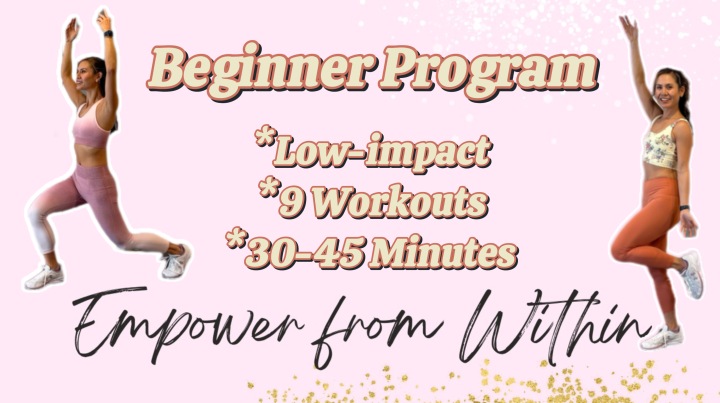
Spring is a great time to get back into a regular fitness routine, and I’m excited to announce a BRAND NEW FITNESS PROGRAM that just released on my fitness app!

Whether you’re just starting your fitness journey or looking to jump back into a routine, I have a 9-workout series for you! Feel good from within with the EMPOWER program featuring low-impact routines rotating between Pilates, Walking, and LIIT (low-impact interval training) workouts. All the workouts are beginner-friendly and low impact!  Even if you’re a fitness aficionado, this is a great program to complete or pick and choose workouts to help break up your regular routine.  The most equipment you’ll need is light to moderate dumbbells and a mat.

To access the entire program on my digital studio app, go to the “Challenges” tab on the Sudor app. Once there, you’ll see it listed as a program. You can complete the workouts in any order you prefer, but I recommend doing them every other day for about 3 weeks to finish the program.

Empower from Within will also be available on YouTube beginning May 6! All 9 workout videos will be released one at a time on Monday, Wednesday and Fridays at 5AM EST. Make sure to SUBSCRIBE to my channel so you don’t miss a single workout.

Hate watching ads during videos?  Then join my digital studio app on Sudor to try it out for FREE for one week, AD-FREE!  Simply register and sign up for a month-to-month membership to get started. You can cancel your membership before the week is up to avoid any charges. Register HERE

Who’s ready to get moving?

xo,

Coach Ally